
Yeah, due diligence feels like a waste of time sometimes. But…
By Vena Jones-Cox
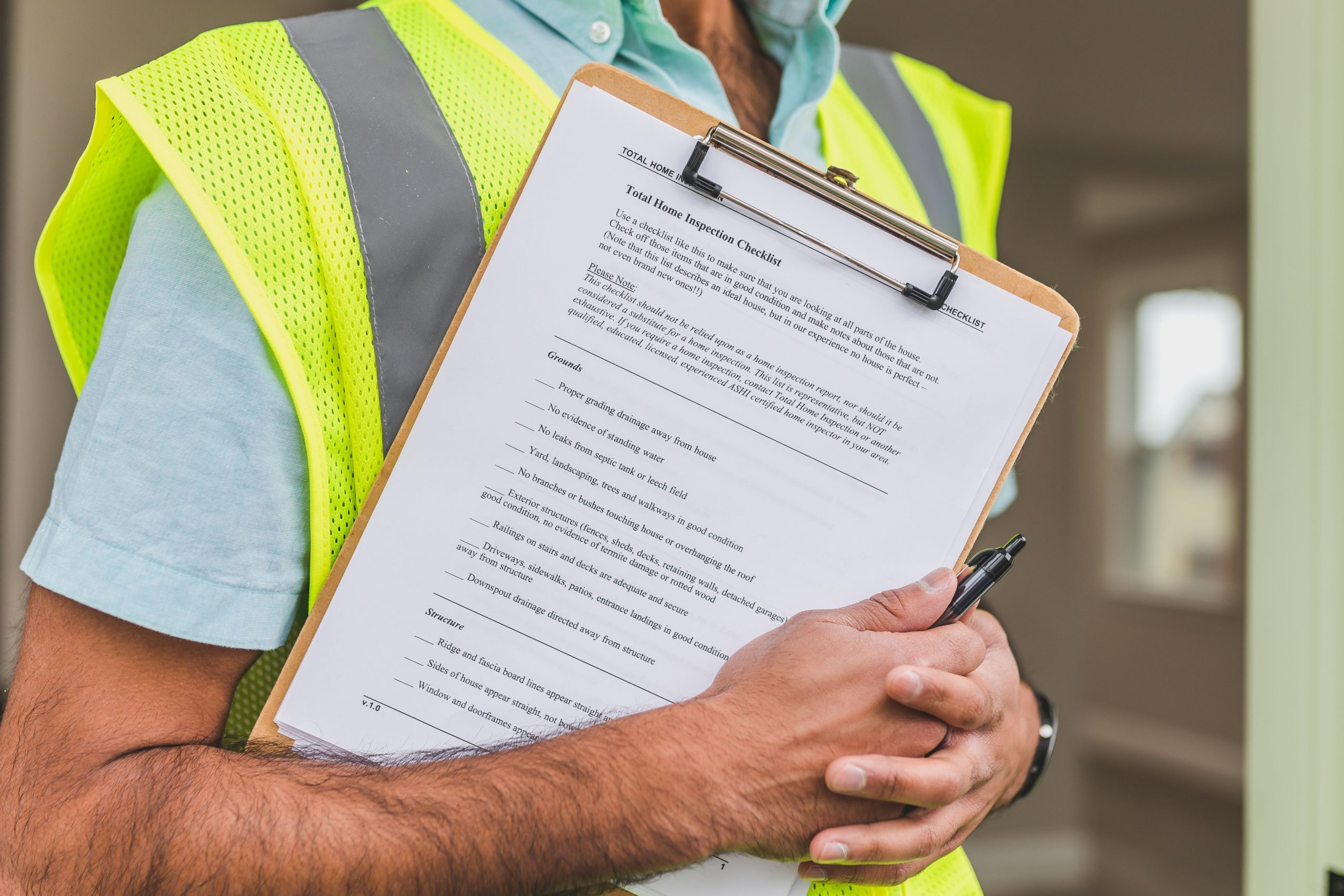
Recently, I put about 150 miles on my car driving around looking at a package of foreclosed properties I wanted to bid on.
Between the driving, the comping, and the rest of the evaluation, I spent a little more than a full working day coming up with offers on 16 properties.
The thing is, I might get some of them. But also, I did this same thing a month ago and got NONE of them.
Interestingly, the weekend before, I’d attended a class on buying apartment buildings, where there was some mild consternation expressed by the attendees about the sheer volume of work that goes into evaluating one.
There was a bit of grumbling along the lines of, “Why would I do all that work when my offer might get turned down? There has to be an easier way to make an offer.”
Sure there is.
Make the wrong offer.
Especially in situations where your relationship with a broker will be ruined when you offer too much, and that offer is accepted, and then you do the real due diligence, and have to cut the offer by 35%, and THEN it’s rejected.
Or where you have to put up a bunch of non-refundable earnest money as soon as the offer is accepted.
Or where your failure to close is actually contempt of court, as it is in some government auctions.
As I drove around looking at those houses, knowing perfectly well that I’d likely get outbid by buyers who DIDN’T bother to do any due diligence (and at least 2 of those buyers are going to get a huge surprise, because the available pics online don’t show some very serious problems, like a collapsed roof in one case and the fact that in another, the ok-looking house is surrounded by horrible junkers) I wondered how many thousands of hours I’ve spent analyzing properties where the resulting offer was then rejected.
Actually, after this many years, it’s probably tens of thousands.
And yes, I still do it.
Not on every property—if I can talk to the seller and get a real grasp on what the property needs, I’ll simply comp the property, make a very educated calculation of the repair costs, and make an offer over the phone before I drag myself across town to make sure that they’re telling the truth.
But, c’mon, ya’ll, figuring out what you can pay for a property is part of the JOB of being a real estate investor. Getting the seller to agree to that price is another part. You don’t get to skip the first part because the second part isn’t guaranteed.
Whoever started telling people that all you need to evaluate a deal is a rule of thumb like “the 1% rule” or “renovations cost $65 a square foot” has done a big, big disservice to the latest generation of investors.
A rule of thumb might help you decide whether something deserves a closer look. It doesn’t tell you what THAT property is worth, what THAT property needs, or whether THAT deal makes sense for you.
That part takes work.
Sometimes you do the work and discover that you can’t offer anything close to what the seller wants. Sometimes you make an offer you feel good about and somebody else offers more.
Neither means you wasted your time.
You learned something about the market. You got better at evaluating properties. And you figured out where your number needed to be BEFORE you owned the thing.
The purpose of evaluating a property isn’t to find a way to justify buying it. It’s to figure out whether—and on what terms—you should.
If you want to make smart deals and stay in this business for a long time, you have to be willing to do work that doesn’t result in a purchase. A lot of work. Over and over.
I’d definitely rather spend a day evaluating 16 properties I don’t get than spend years dealing with one I paid too much for.